
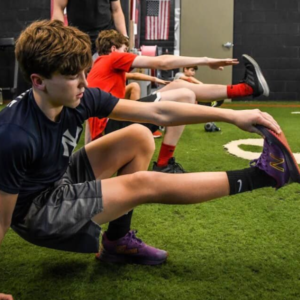
Winter sports season is well underway across the Miami Valley, and if your middle- or high-schooler wrestles or plays basketball, you have probably wondered how to help them get stronger without getting hurt. The good news is that youth strength training for athletes in Vandalia can be both safe and genuinely effective when it is programmed right. As a coach, I want to walk you through what age-appropriate training actually looks like for young athletes.
The OHSAA winter calendar puts real pressure on families this time of year. While the regular seasons for all winter sports last several more weeks, tournaments begin in late February and champions are crowned from the end of the month into March. That means your athlete is either grinding through a full match schedule right now or already thinking about how to come back stronger next season. Both situations call for a smart plan.
The myth that keeps parents on the sidelines
Let me address the fear I hear most often first. Plenty of parents worry that lifting weights will stunt their kid’s growth. It is one of the most repeated ideas in youth sports, and it is simply not supported by the research.
Current pediatric and sports-medicine guidance is clear: properly supervised resistance training is safe for children and adolescents and does not interfere with growth. The worry usually centers on growth plates, the cartilage at the ends of long bones that lets kids grow taller. Here is what the evidence actually shows.
The American College of Sports Medicine concludes in a review that there is no evidence to suggest that resistance training has a negative impact on a youth’s growth potential. One evidence-based review went further. Experimental resistance training programs did not influence growth in height and weight of pre- and early-adolescent youth, and changes in estimates of body composition were variable and quite small.
So where did the fear come from? Mostly from an older era. That fear comes from decades-old misinformation. It comes from a time when kids were thrown under heavy barbells with no guidance, no coaching, and no understanding of biomechanics. That world is gone. Modern coaching starts with technique, not maximum weight.
What age-appropriate training actually means
Age-appropriate does not mean easy. It means the right movements, the right loads, and constant attention to form. For a younger athlete, that often looks like bodyweight squats, hinges, jumps and carries before a barbell ever enters the picture.
Proper supervision is the whole ballgame here. Many recorded injuries were accidents resulting from incorrect exercise technique and/or poor supervision. That is exactly why coaching matters more than the equipment. A young wrestler who learns to hinge correctly at 13 carries that skill for life.
Start light, progress slowly
The pattern is simple and it works. Begin with light loads, nail the technique, then add resistance gradually as strength improves. Nutrition, hydration and sleep round it out. This is not about chasing numbers. It is about building a foundation that holds up under a full OHSAA season.
Why the payoff is worth it
Once a young athlete trains this way, the benefits show up on the mat and the court. Researchers have proposed that resistance training interventions in youth populations result in significant increases in strength, power and agility and reduced injury risk. Speed and power are trainable, and they translate directly to a faster shot in wrestling or a stronger drive to the basket.
Injury resilience is the part I care about most as a coach. Building strength around vulnerable joints gives young bodies more protection. ACL tears are more common in female athletes because the structure of their knee joints is different, and having low muscle mass in the legs can increase that risk, which means building strength can have a protective effect. For basketball players especially, that matters. If you want to see how structured coaching brings these benefits together, take a look at our Sports Performance program.
In-season vs. off-season training
The biggest question I get from families in Vandalia, Englewood and Tipp City is whether their athlete should even lift during the season. The answer depends on the goal.
During the season
In-season work is about maintenance, not exhaustion. Your wrestler is already competing hard, so the strength sessions should be shorter and less frequent. The point is to hold onto the power they built and stay fresh for tournaments. Detraining is real, and a couple of focused sessions a week helps prevent it. You can check the current class schedule to plan those sessions around match days.
The off-season
Once the season wraps up in late winter or early spring, that is when the real building happens. This is the window to add strength, refine movement and address weak spots before spring sports or next year’s roster. Athletes from Huber Heights, Trotwood, Clayton and Dayton use this stretch to close the gap on the competition.
How coaching drives youth strength training for athletes in Vandalia
I keep coming back to supervision because it is the single factor that separates safe, productive training from risky guesswork. A teenager copying a workout off their phone is exactly the scenario the research warns about. A coached environment is not.
At MPower Gym, our sports performance training is guided by real expertise, including co-owner Mike Baker, a nationally ranked powerlifter who understands how to build strength safely and progressively. That kind of background means your athlete learns to move well before they ever chase a heavier lift. For a middle- or high-schooler, that order of operations protects them and makes them better.
Our 12,500-square-foot facility in Vandalia gives young athletes room to train the way they should, with coaching on the movements that carry over to their sport. Whether your athlete wrestles, plays basketball or competes in a spring sport, the same principles apply. Beyond athletic training, families can also explore our full class lineup to see everything we offer.
Getting your athlete started this season
You do not have to figure this out alone, and you do not have to wait until the off-season to begin. The best time to build good habits is before an injury or a plateau forces the issue. Age-appropriate strength work is one of the smartest investments you can make in a young athlete’s season and their long-term health. If your athlete is ready to commit, you can join now and get started right away.
If you are a parent in Vandalia weighing how to support your wrestler or basketball player, come see how we coach it. Not sure yet? Grab a free day pass and let your athlete experience it firsthand. Youth strength training for athletes in Vandalia works best inside a supportive, well-run program, and that is exactly what we have built for families across the area. Take a look at our class schedule and find the right fit for your athlete.
MPower Gym serves Vandalia, Dayton, Englewood, Tipp City, Huber Heights, Trotwood and Clayton, giving young athletes across the Dayton area a place to train the right way.
Frequently Asked Questions
Does lifting weights stunt a young athlete's growth?
No. Current pediatric and sports-medicine guidance shows that properly supervised resistance training is safe for children and adolescents and does not interfere with growth. The old fear traces back to unsupervised heavy lifting, not to well-coached programs.
What age can my child start strength training?
Many young athletes can begin once they are mature enough to follow clear instructions and understand basic gym safety. Early training focuses on bodyweight movements and technique rather than heavy loads, and a coach can help decide what fits your child.
Should my wrestler or basketball player lift during the OHSAA season?
Yes, but in-season work should be shorter and less frequent. The goal is maintaining strength and staying fresh for competition, not adding fatigue before tournaments in late February and March.
How does strength training reduce injury risk?
Building strength around joints and muscles can have a protective effect, especially for the knees and legs. Research links stronger legs to lower ACL injury risk, which is one reason coaches encourage age-appropriate training for young athletes.
What makes strength training safe for teenagers?
Proper technique and supervision are the biggest factors. Most recorded youth training injuries come from poor form or lack of supervision, so a coached environment that starts light and progresses slowly is key.
When is the best time to build strength, in-season or off-season?
Both matter, but the off-season is when athletes build the most. After the winter season ends, that window is ideal for adding strength and fixing weak spots before spring sports or the next season.
Who coaches the youth athletes at MPower Gym?
Sports performance training at MPower Gym is guided by experienced coaches, including co-owner Mike Baker, a nationally ranked powerlifter. That background helps young athletes learn safe, progressive movement before chasing heavier lifts.


